
Where Every Note Responds with Clarity
Services / Piano Voicing & Dynamics
Piano Voicing & Dynamics
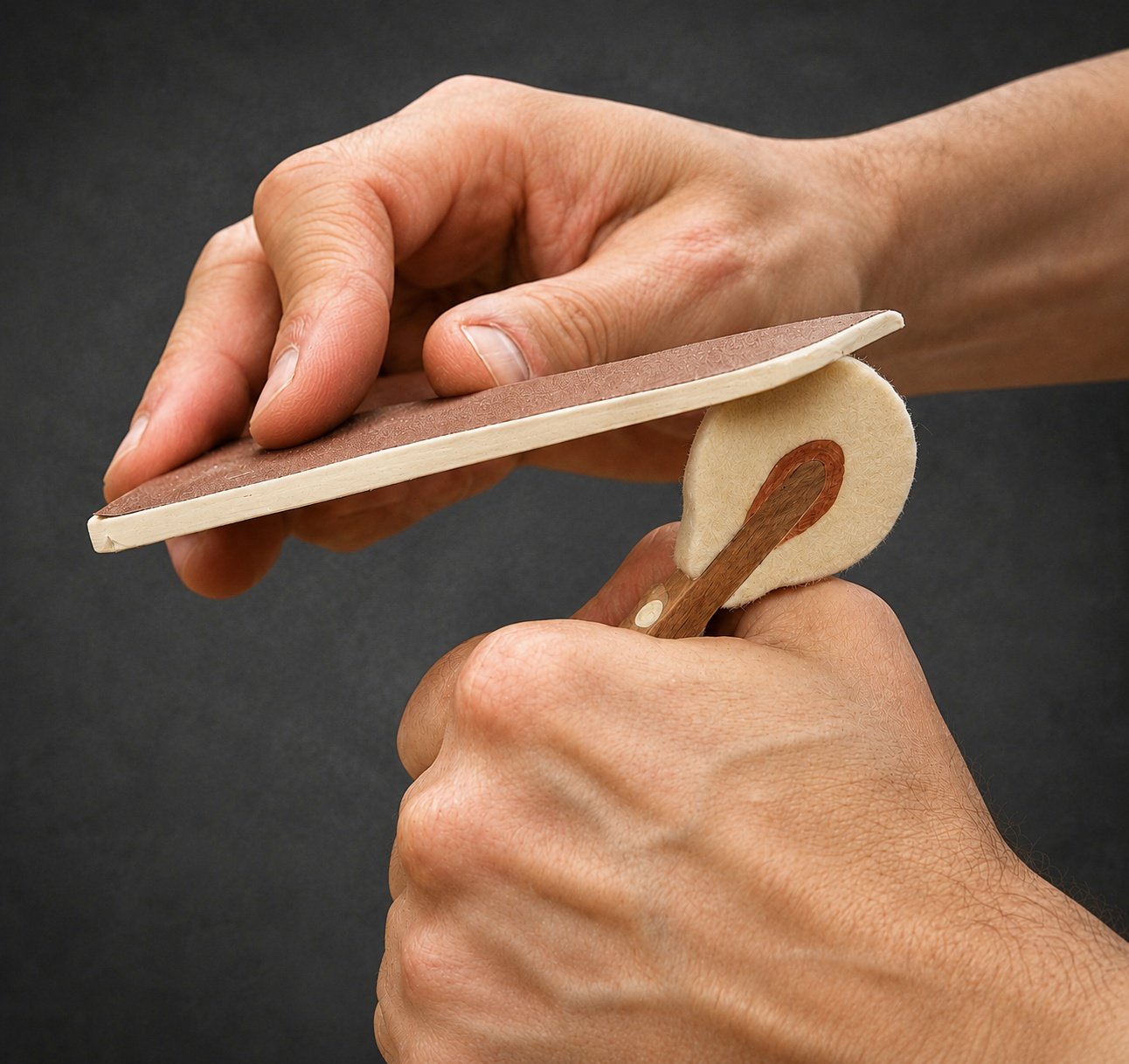
Piano voicing is a specialized process that plays a critical role in shaping the instrument’s tone, volume, and overall sound balance. It involves the careful adjustment of the hammer felt to achieve the desired level of hardness and resilience, directly influencing the character of the sound produced. Through precise voicing techniques, the tonal quality of a piano can be refined from bright and powerful to warm and mellow, ensuring consistency and musical clarity across the entire keyboard.
In addition to tonal adjustments, voicing includes the accurate alignment of the hammers to the strings, as well as the reshaping of hammer surfaces to remove grooves and wear caused by prolonged use. This restoration process not only improves tonal quality and balance but also helps extend the lifespan of the hammer components.
Our professional voicing service is tailored to each instrument, enhancing its unique tonal character while providing the control and dynamic range required for expressive performance. The result is a refined, balanced sound that responds beautifully to the demands of the pianist.
Everything You Need to Know!
-
Ans: Each Piano is different and has different tuning needs.
New pianos need to be tuned four times in their first year as strings will stretch and the felt on the hammers compact. Each Piano is different and has different tuning needs.
Home pianos generally are tuned twice a year, although as the skill level of the student increases then more regular tuning may be required.
Concert or performance pianos need to be tuned just before every concert or every three months (whichever comes first).
Music schools, schools or places where the piano is regularly played by a number of different pianists may need attention twice or more a year.
-
Ans: While improvement is possible with many older pianos, unfortunately not all neglected pianos can be tuned.
If your piano’s pitch is lower than 10 cents* below concert pitch, then it may be possible for us to organise a pitch adjustment as part of bringing it up to concert pitch level. A pitch adjustment is where we adjust the 220-250 tuning pins and strings to the correct pitch in your piano. The instrument is then able to be played with other instruments radio and CD’s. These may each need several rounds of adjustments to bring them up to the required level. Pitch raises take significant time and skill to do correctly to ensure the instrument with have some stability in the tuning. If the pitch is lower than 50 cents below pitch, the instrument will then require further tuning in around 2 months to ensure the instrument stays in tune.
* 1 Semitone is divided into 100 parts, called cents.
-
Ans: Pianos need an even temperature and humidity to maintain their tune for the maximum time. Avoid placing your piano in direct sunlight, near a heater, in a draft, directly under air-conditioning ducts or near and outside wall that receives direct sunlight. Also avoid placing your piano near bathrooms, kitchens or laundries if you regularly use clothes dryers as these rooms often have high humidity.
-
Ans: Unlike violins, pianos don’t generally age well. A poorly maintained older piano may require substantial reconstruction or repair that could end up costing more than the value of the piano. If you are not sure about your piano, give us a call for a realistic assessment of the extent of work a piano would need to bring it up to a reasonable standard.

Our Location & Hours
Location:

Piano Masters Inc.
3421 Foothill Blvd La Crescenta - Montrose, CA 91214
Gallery Hours (Appointment Only):
Monday - Friday: 10:00 AM - 5:00 PM
Saturday - Sunday: 10:00 AM - 2:30 PM
Contact Information:


Email: contact@pianomastersinc.com
One stop shop for all your Piano needs.

